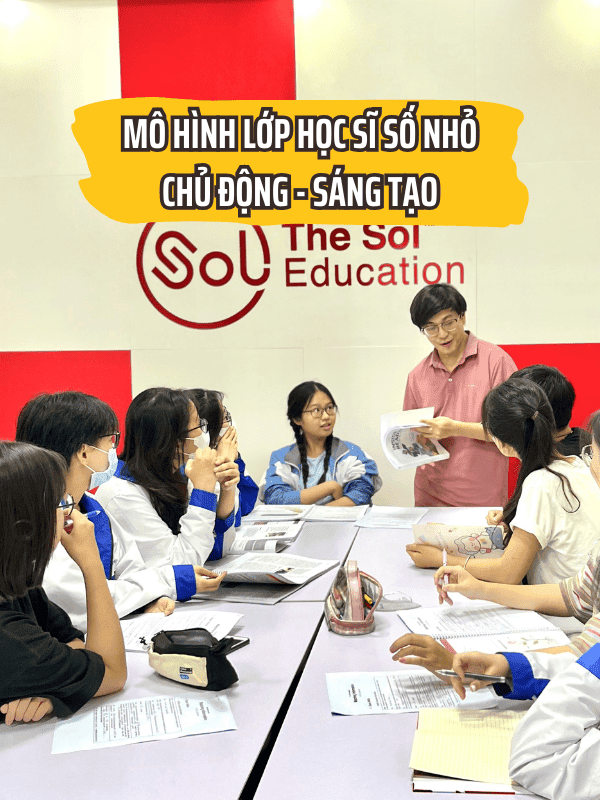
Những khóa học ấn tượng có thể mang lại nhiều kiến thức và kỹ năng giá trị, đồng thời để lại dấu ấn sâu sắc trong cuộc sống của chúng ta. Trong IELTS Speaking Part 2, đề bài "Describe a course that impressed you a lot" yêu cầu bạn mô tả một khóa học mà bạn thấy ấn tượng, bao gồm nội dung của khóa học, địa điểm học, những hoạt động bạn tham gia và lý do tại sao nó để lại ấn tượng mạnh mẽ với bạn.
Hãy cùng SOL IELTS chuẩn bị thật kì cho đề bài này qua bài viết sau đây nhé.

Describe a course that impressed you a lot
You should say:
What the course was about
Where you took the course
What you did during the course
And explain why it impressed you a lot
Trong 1 phút chuẩn bị, bạn có thể suy nghĩ theo các bước sau:
Chọn một khóa học phù hợp: Khóa học kỹ năng mềm, khóa học ngoại ngữ, khóa học trực tuyến, khóa học thể thao…
Địa điểm học: Trung tâm, trường học, khóa học online, workshop ngắn hạn…
Những hoạt động trong khóa học: Lắng nghe bài giảng, thực hành, làm bài tập nhóm, tham gia thảo luận…
Lý do khóa học để lại ấn tượng: Bổ ích, truyền cảm hứng, giúp phát triển kỹ năng quan trọng…
One course that impressed me a lot was a public speaking course that I took during my second year at university. It was designed to help students improve their communication skills and gain confidence when speaking in front of an audience.
The course was offered by my university, and I decided to take it because I had always felt nervous when giving presentations. Each session was a mix of theory and practice. We learned about different aspects of public speaking, such as body language, voice projection, and structuring a speech effectively. More importantly, we had to deliver short speeches every week and receive feedback from both our instructor and classmates.
What impressed me the most was how quickly I improved. At the beginning, I struggled to speak fluently, but by the end of the course, I felt much more comfortable expressing my ideas. The instructor was also very supportive, and his constructive feedback helped me overcome my fear of public speaking.
This course made a huge difference in my life because strong communication skills are essential in many situations, from job interviews to daily conversations. Looking back, I’m really glad I took it, as it gave me the confidence to speak up and share my thoughts more effectively.
I’m going to talk about a course that really impressed me, and that was an online English speaking course I took last year. The course was designed to help students improve their speaking skills by focusing on conversation practice, pronunciation, and listening comprehension.
I took this course on an online learning platform called Coursera. The course was offered by a well-known university, and it was part of a language improvement program for non-native speakers. I enrolled in it after seeing a recommendation from my English teacher, who thought it could help me get better at speaking English in real-life situations.
During the course, we had interactive lessons where we could listen to native speakers and practice repeating sentences. We also had opportunities to join virtual discussion groups with other students from around the world, where we would talk about various topics. Additionally, there were weekly assignments that required us to record ourselves speaking and receive feedback from the instructor.
What really impressed me about this course was how engaging and practical it was. The content was structured in a way that kept me interested, and I could immediately apply what I learned in real conversations. I particularly enjoyed the feedback from native speakers, which helped me improve my pronunciation. This course made me feel more confident about speaking English, and I’ve noticed a significant improvement in my speaking skills since completing it.
A course that made a huge impression on me was a graphic design workshop I attended during my summer vacation. The course was all about introducing students to the basics of graphic design, including how to use design software and principles of visual communication.
I took the course at a local community center in my town. It was a week-long workshop, and the classes were held every afternoon. I decided to take this course because I’ve always had an interest in art and design, and I thought this would be a great opportunity to explore that interest in a more structured way.
During the workshop, we learned how to create posters, flyers, and logos using software like Photoshop and Illustrator. The instructor showed us various techniques for choosing colors, fonts, and layouts, and we practiced designing our own projects. We also had hands-on tasks where we worked in small groups to create design pieces for mock clients.
What impressed me the most about this course was the way it sparked my creativity and helped me develop new skills. The instructor was very knowledgeable and made the learning process fun and interactive. I also enjoyed working with other students, exchanging ideas, and learning from each other’s design approaches. By the end of the course, I felt more confident in my ability to create digital designs, and I even started creating my own designs as a hobby after the workshop.
"History offers valuable lessons that can guide us in the present and future. From my perspective, studying history helps us understand the consequences of past actions, which can prevent us from repeating the same mistakes. Take, for instance, the two World Wars—they teach us about the devastating effects of conflict and the importance of diplomacy. I firmly believe that history is not just about dates and events but about understanding human behavior and societal evolution."
Từ vựng hữu ích:
valuable lessons /ˈvæljʊəbl ˈlɛsnz/: bài học quý giá
consequences /ˈkɒnsɪkwənsɪz/: hậu quả
devastating effects /ˈdɛvəsteɪtɪŋ ɪˈfɛkts/: tác động tàn phá
diplomacy /dɪˈpləʊməsi/: ngoại giao
human behavior /ˈhjuːmən bɪˈheɪvjə/: hành vi con người
societal evolution /səˈsaɪətl ˌiːvəˈluːʃn/: sự phát triển xã hội
"History is a treasure trove of cultural knowledge. In my eyes, it allows us to appreciate the diversity of human experiences and traditions. For instance, learning about ancient civilizations like the Egyptians or the Romans helps us understand how they shaped modern society through their innovations and art. I’d argue that history is essential for preserving cultural identity and fostering a sense of global interconnectedness."
Từ vựng hữu ích:
treasure trove /ˈtrɛʒə trəʊv/: kho báu
diversity /daɪˈvɜːsɪti/: sự đa dạng
shaped modern society /ʃeɪpt ˈmɒdn səˈsaɪəti/: định hình xã hội hiện đại
preserving cultural identity /prɪˈzɜːvɪŋ ˈkʌltʃərəl aɪˈdɛntɪti/: bảo tồn bản sắc văn hóa
global interconnectedness /ˈɡləʊbl ˌɪntəkəˈnɛktɪdnəs/: sự kết nối toàn cầu
"People need to remember their responsibilities and priorities in daily life. From my standpoint, this includes tasks like meeting deadlines, paying bills, and maintaining relationships. To illustrate, forgetting to pay bills on time can lead to financial penalties, while neglecting relationships can cause emotional strain. I’m convinced that staying organized and mindful is key to a balanced and fulfilling life."
Từ vựng hữu ích:
responsibilities /rɪˌspɒnsəˈbɪlɪtiz/: trách nhiệm
priorities /praɪˈɒrɪtiz/: ưu tiên
financial penalties /faɪˈnænʃl ˈpɛnltiz/: hình phạt tài chính
emotional strain /ɪˈməʊʃənl streɪn/: căng thẳng cảm xúc
balanced and fulfilling life /ˈbælənst ənd fʊlˈfɪlɪŋ laɪf/: cuộc sống cân bằng và viên mãn
"Another crucial thing to remember is self-care. In my experience, people often forget to prioritize their physical and mental health amidst their busy schedules. For example, skipping meals or neglecting exercise can lead to long-term health issues. I strongly feel that taking time to rest, eat well, and exercise is essential for sustaining productivity and overall well-being."
Từ vựng hữu ích:
self-care /ˈsɛlfkeə/: chăm sóc bản thân
physical and mental health /ˈfɪzɪkl ənd ˈmɛntl hɛlθ/: sức khỏe thể chất và tinh thần
long-term health issues /ˌlɒŋ ˈtɜːm hɛlθ ˈɪʃuːz/: vấn đề sức khỏe lâu dài
sustaining productivity /səˈsteɪnɪŋ ˌprɒdʌkˈtɪvɪti/: duy trì năng suất
overall well-being /ˌəʊvərˈɔːl ˈwɛlbiːɪŋ/: sức khỏe tổng thể
"Absolutely, technology can be a game-changer for improving memory. From my perspective, tools like smartphone reminders, calendar apps, and note-taking software make it easier to organize and recall information. Take, for example, apps like Evernote or Google Calendar—they allow users to set alerts and store data efficiently. I’m of the opinion that these tools are particularly helpful for people with busy lifestyles or those who struggle with forgetfulness."
Từ vựng hữu ích:
game-changer /ˈɡeɪmˌtʃeɪndʒə/: yếu tố thay đổi cuộc chơi
smartphone reminders /ˈsmɑːtfəʊn rɪˈmaɪndəz/: nhắc nhở trên điện thoại thông minh
calendar apps /ˈkælɪndə æps/: ứng dụng lịch
note-taking software /ˈnəʊtˌteɪkɪŋ ˈsɒftweə/: phần mềm ghi chú
set alerts /sɛt əˈlɜːts/: đặt thông báo
store data /stɔː ˈdeɪtə/: lưu trữ dữ liệu
busy lifestyles /ˈbɪzi ˈlaɪfstaɪlz/: lối sống bận rộn
forgetfulness /fəˈɡɛtfʊlnəs/: sự hay quên
"While technology can assist with memory, I’d argue that it can also make people over-reliant. For instance, constantly relying on devices to remember things might weaken our natural memory skills. In my view, it’s important to strike a balance—using technology as a supplementary tool while still exercising our brains through activities like reading or problem-solving."
Từ vựng hữu ích:
over-reliant /ˌəʊvər rɪˈlaɪənt/: quá phụ thuộc
natural memory skills /ˈnætʃrəl ˈmɛməri skɪlz/: kỹ năng ghi nhớ tự nhiên
supplementary tool /ˌsʌplɪˈmɛntəri tuːl/: công cụ bổ trợ
"I’d say photos are more effective for memory retention. From my experience, visual images are easier to recall because they create a lasting impression in our minds. For instance, looking at a photo from a vacation can instantly bring back vivid memories of that time. I’m inclined to believe that the brain processes images faster and more efficiently than text, making photos a powerful memory aid."
Từ vựng hữu ích:
memory retention /ˈmɛməri rɪˈtɛnʃn/: khả năng ghi nhớ
lasting impression /ˈlɑːstɪŋ ɪmˈprɛʃn/: ấn tượng lâu dài
vivid memories /ˈvɪvɪd ˈmɛməriz/: ký ức sống động
powerful memory aid /ˈpaʊəfʊl ˈmɛməri eɪd/: công cụ hỗ trợ trí nhớ mạnh mẽ
"On the other hand, I’d argue that words can be just as effective, if not more so. In my opinion, words allow for deeper processing of information, which enhances memory. For example, reading a detailed description of an event can help us remember not just the visuals but also the emotions and context. I’m convinced that words are particularly useful for complex or abstract concepts that photos alone can’t fully capture."
Từ vựng hữu ích:
deeper processing /ˈdiːpə ˈprəʊsɛsɪŋ/: xử lý sâu hơn
emotions /ɪˈməʊʃnz/: cảm xúc
context /ˈkɒntɛkst/: bối cảnh
complex or abstract concepts /ˈkɒmplɛks ɔːr ˈæbstrækt ˈkɒnsɛpts/: khái niệm phức tạp hoặc trừu tượng
"I’d say many people value items of memorial significance because they hold emotional value. From my perspective, objects like family heirlooms, old photographs, or souvenirs from special trips serve as tangible reminders of cherished memories. For instance, my grandmother’s necklace isn’t just a piece of jewelry—it’s a symbol of her love and our family history. I’m of the opinion that such items help people stay connected to their past and loved ones."
Từ vựng hữu ích:
memorial significance /mɪˈmɔːriəl sɪɡˈnɪfɪkəns/: ý nghĩa tưởng niệm
emotional value /ɪˈməʊʃənl ˈvæljuː/: giá trị tình cảm
tangible reminders /ˈtændʒəbl rɪˈmaɪndəz/: lời nhắc nhở hữu hình
symbol of her love /ˈsɪmbəl əv hə lʌv/: biểu tượng tình yêu của bà ấy
"While some people treasure memorial items, others might not attach much importance to them. In my experience, it depends on one’s personal values and emotional attachment. For example, younger generations might prefer digital memories like photos stored on their phones rather than physical objects. I’d argue that the significance of such items is subjective and varies from person to person."
Từ vựng hữu ích:
personal values /ˈpɜːsənl ˈvæljuːz/: giá trị cá nhân
emotional attachment /ɪˈməʊʃənl əˈtætʃmənt/: sự gắn bó tình cảm
digital memories /ˈdɪdʒɪtl ˈmɛməriz/: ký ức kỹ thuật số
"I’d say genetics play a significant role in memory ability. From my understanding, some people are naturally born with a stronger cognitive capacity, which allows them to process and retain information more effectively. For instance, studies have shown that certain genes are linked to enhanced memory performance. I’m inclined to believe that while practice can improve memory, inherent factors also contribute to these differences."
Từ vựng hữu ích:
genetics /dʒɪˈnɛtɪks/: di truyền
stronger cognitive capacity /ˈstrɒŋɡə ˈkɒɡnɪtɪv kəˈpæsɪti/: khả năng nhận thức mạnh hơn
enhanced memory performance /ɪnˈhænst ˈmɛməri pəˈfɔːməns/: hiệu suất trí nhớ được cải thiện
inherent factors /ɪnˈhɪərənt ˈfæktəz/: yếu tố bẩm sinh
"I’d argue that lifestyle choices also influence memory. From my perspective, people who maintain a healthy diet, regular exercise, and mental stimulation tend to have better memory. Take, for example, individuals who practice mindfulness or engage in brain-training activities—they often show improved cognitive function. I’m convinced that a balanced lifestyle is key to preserving and enhancing memory."
Từ vựng hữu ích:
healthy diet /ˈhɛlθi ˈdaɪət/: chế độ ăn lành mạnh
regular exercise /ˈrɛɡjʊlə ˈɛksəsaɪz/: tập thể dục đều đặn
mental stimulation /ˈmɛntl ˌstɪmjʊˈleɪʃn/: kích thích tinh thần
mindfulness /ˈmaɪndfʊlnəs/: sự tỉnh thức
brain-training activities /ˈbreɪnˌtreɪnɪŋ ækˈtɪvɪtiz/: hoạt động rèn luyện trí não
cognitive function /ˈkɒɡnɪtɪv ˈfʌŋkʃn/: chức năng nhận thức
preserving and enhancing memory /prɪˈzɜːvɪŋ ənd ɪnˈhænsɪŋ ˈmɛməri/: bảo tồn và cải thiện trí nhớ
Hy vọng bài chữa đề này giúp bạn có thêm ý tưởng và cách diễn đạt linh hoạt trong IELTS Speaking Part 2, part 3. Chúc các bạn học thật tốt nhé.