Describe a beautiful city là một đề IELTS Speaking khá dễ và gần gũi với chúng ta. Tuy nhiên, để đạt được điểm cao, bạn cũng cần triển khai ý một cách logic, đảm bảo độ sự tự nhiên và lưu loát trong quá trình trả lời. Bài viết này hy vọng sẽ giúp bạn có thêm ý tưởng và từ vựng để trả lời các câu hỏi trong phần thi IELTS Speaking sắp tới.
Describe a beautiful city là một đề IELTS Speaking khá dễ và gần gũi với chúng ta. Tuy nhiên, để đạt được điểm cao, bạn cũng cần triển khai ý một cách logic, đảm bảo độ sự tự nhiên và lưu loát trong quá trình trả lời. Bài viết này hy vọng sẽ giúp bạn có thêm ý tưởng và từ vựng để trả lời các câu hỏi trong phần thi IELTS Speaking sắp tới.

I. IELTS Speaking Part 2
1. Đề bài
Describe a beautiful city
You should say:
- Where the city is
- What buildings the city has
- What it is famous for
- And explain why you think this city is beautiful
2. Ideas
- Where is the city?
- Bac Ninh
- the northern part of Vietnam
- What building does the city have?
- ancient temples, pagodas, and historical sites
- Dinh Bang Communal House, But Thap Pagoda
- What is it famous for?
- Quan Ho folk songs
- intangible cultural heritage by UNESCO
- producing beautiful ceramics and pottery
- Why do you think this city is beautiful?
- the warm and welcoming nature of the people in Bac Ninh
- tradition and modernity integration
3. Sample answer
I'd like to talk about the beautiful city - Bac Ninh, a place that holds a special place in my heart. It's situated in the northern part of Vietnam, not too far from the bustling capital city, Hanoi.
One of the prominent features of Bac Ninh is its rich historical heritage, and this is reflected in its architecture. The city is home to several ancient temples, pagodas, and historical sites that showcase the country's cultural heritage. The Dinh Bang Communal House and But Thap Pagoda are excellent examples of the stunning traditional Vietnamese architecture that you can find here.
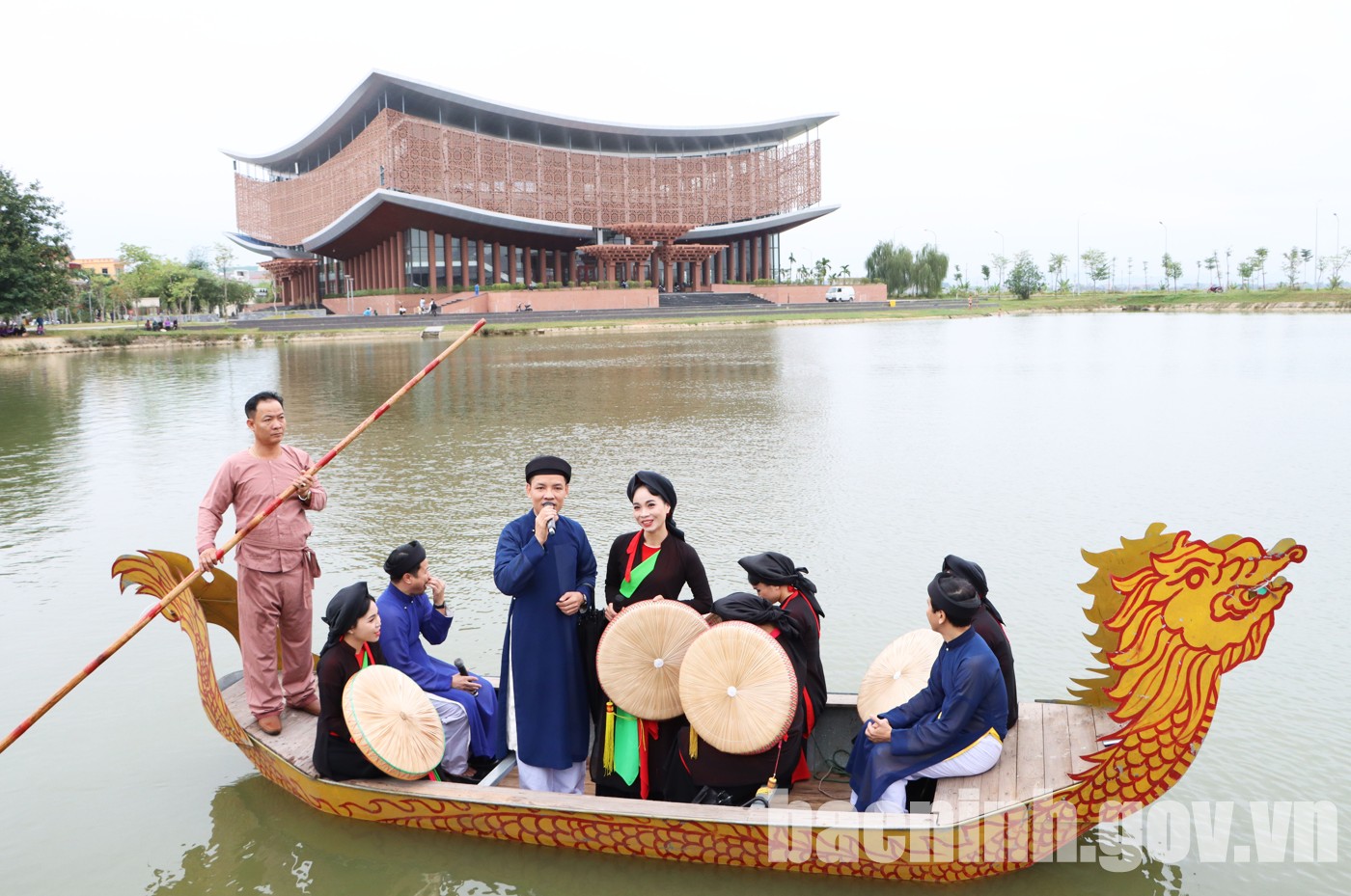
Bac Ninh is famous for its traditional Quan Ho folk songs, which are recognized as intangible cultural heritage by UNESCO. These melodious and poetic songs have been passed down through generations and are a source of pride for the local community. The city also has a reputation for producing beautiful ceramics and pottery.
Moreover, the warm and welcoming nature of the people in Bac Ninh adds to the city's charm. It's a place where tradition and modernity coexist harmoniously, and this juxtaposition creates a unique beauty that's hard to find elsewhere.
For me, Bac Ninh is a beautiful city due to its rich cultural heritage, stunning architecture, and the way it seamlessly integrates tradition and modernity. It's a place that captivates not only the eyes but also the heart, leaving a lasting impression on anyone fortunate enough to visit.
4. Vocabulary - Từ vựng hữu ích
- bustling /ˈbʌslɪŋ/: Full of energetic and noisy activity. (náo nhiệt)
- prominent /ˈprɒmɪnənt/: Easily noticeable or standing out. (nổi bật)
- intangible cultural heritage /ɪnˈtændʒəbl ˈkʌlʧərəl ˈhɛrɪtɪdʒ/: Cultural traditions, practices, or expressions that are passed down through generations and are not physical objects. (di sản văn hóa phi vật thể)
- picturesque /ˌpɪktʃəˈrɛsk/: Visually attractive, like a beautiful painting or photograph. (đẹp như tranh)
- juxtaposition /ˌʤʌkstəpəˈzɪʃən/: The act or placement of two things (usually abstract concepts) near each other. (sự kết hợp)
- harmoniously /hɑːˈməʊniəsli/: In a way that is pleasing and balanced, with elements working well together. (một cách hòa hợp)
- ceramics and pottery /səˈræmɪks ənd ˈpɒtəri/: Objects made from clay and fired in a kiln, such as dishes and vases. (gốm sứ)
- melodious /məˈləʊdiəs/: Having a pleasant and musical sound. (du dương)
- poetic /pəʊˈɛtɪk/: Expressing emotions or ideas in a beautiful and imaginative way, often using metaphor and rhyme. (đầy chất thơ)
- coexist /ˌkoʊɪɡˈzɪst/: To exist together or at the same time without conflict. (cùng tồn tại)
II. IELTS Speaking Part 3
1. Why do people move to the city?
- better job opportunities and career prospects
- better access to education and healthcare facilities
- a vibrant social life and diverse cultural experiences
People move to the city for various reasons. To begin with, cities offer better job opportunities and career prospects. Many industries, companies, and businesses are concentrated in urban areas, providing a wider range of employment options. Secondly, cities are often associated with better access to education and healthcare facilities. People move to cities to provide their families with quality education and healthcare services. Furthermore, cities are hubs of culture and entertainment, attracting individuals seeking a vibrant social life and diverse cultural experiences.
- job opportunities /ˈʤɒb ˌɒpəˈtjuːnɪtiz/: Possibilities for employment or career advancement. (cơ hội việc làm)
- career prospects /kəˈrɪə ˈprɒsˌpɛkts/: Opportunities for advancement and success in one's chosen profession. (triển vọng nghề nghiệp)
- access to education and healthcare /ˈækˌsɛs tə ˌɛdjuːˈkeɪʃən ənd ˈhɛlθkɛr/: The ability to easily obtain quality education and medical services. (tiếp cận giáo dục và chăm sóc sức khỏe)
- diverse cultural experiences /daɪˈvɜrs ˈkʌltʃərəl ɪksˈpɪriənsɪz/: A wide range of opportunities to engage with different cultures and traditions. (trải nghiệm văn hóa đa dạng)
2. What are the disadvantages of city life?
- The cost of living in cities can be significantly higher than in rural areas.
- noise, pollution, and congestion
- The fast-paced urban lifestyle can lead to high levels of stress.
City life does come with its set of disadvantages. Firstly, the cost of living in cities can be significantly higher than in rural areas, including expenses related to housing, transportation, and daily necessities. This financial burden can be a source of stress. Another drawback of city life is that it is often characterized by noise, pollution, and congestion, which can adversely affect one's physical and mental health. People may also experience a lack of personal space and privacy in densely populated cities. Lastly, the fast-paced urban lifestyle can lead to high levels of stress and a feeling of constant pressure to keep up with the pace of city life.
- cost of living /kɒst əv ˈlɪvɪŋ/: The amount of money required to maintain a certain standard of living. (chi phí sinh hoạt)
- congestion /kənˈʤɛsʧən/: The state of being overcrowded or blocked by traffic. (tắc nghẽn)
- adversely affect /ədˈvɜːrsli əˈfɛkt/: To have a negative impact or harm on something. (gây ảnh hưởng tiêu cực)
- densely populated /ˈdɛnsli ˈpɒpjʊˌleɪtɪd/: Having a high concentration of people or being crowded with residents. (đông dân cư)
3. What is the difference between living in the city and the countryside?
- Ideas
- In the city
- fast-paced
- access to numerous amenities, entertainment options, and job opportunities
- higher costs of living, traffic congestion, and a more hectic lifestyle
- In the countryside
- a slower, more peaceful pace of life
- a stronger sense of community, cleaner air, and more natural surroundings
- limited access to certain amenities, fewer job opportunities, and longer commutes for services and employment
Living in the city and the countryside offers vastly different experiences. In the city, life tends to be fast-paced, with access to numerous amenities, entertainment options, and job opportunities. People in cities often have access to a diverse range of cultural events, restaurants, and educational institutions. However, the downsides include higher costs of living, traffic congestion, and a more hectic lifestyle.
In contrast, living in the countryside is typically characterized by a slower, more peaceful pace of life. There is often a stronger sense of community, cleaner air, and more natural surroundings. People in rural areas may have larger homes and more space. However, the trade-off can be limited access to certain amenities, fewer job opportunities, and longer commutes for services and employment.
- slower pace of life /ˈsloʊər peɪs əv laɪf/: A lifestyle characterized by a leisurely and unhurried way of living. (nhịp sống chậm hơn)
- natural surroundings /ˈnætʃərəl səˈraʊndɪŋz/: The environment and landscape that is not influenced by human development. (môi trường tự nhiên)
- limited access to amenities /ˈlɪmɪtɪd ˈækˌsɛs tə əˈmiːnətiz/: Fewer opportunities to use facilities or services such as shopping centers or restaurants. (hạn chế trong việc tiếp cận các tiện ích)
- trade-off /treɪd ɔf/: The balance between advantages and disadvantages when making a choice. (sự đánh đổi)
Chúc bạn luyện nói thật hiệu quả. Hãy đọc thêm một số bài chia sẻ dưới đây để giúp cải thiện khả năng Speaking của bạn nhé: